
If you’ve been searching “pelvic floor physiotherapist near me,” you’re not alone, and you’re already doing the hardest part. Pelvic floor dysfunction affects people of every age and gender, yet it’s still one of the most under-discussed health issues out there. Whether you’re dealing with postpartum recovery, incontinence, pelvic pain, or prolapse, the right pelvic floor physiotherapist can make a real difference in your comfort, confidence, and daily life. Here’s what to know before you book your first appointment.
What Is Pelvic Floor Physiotherapy?
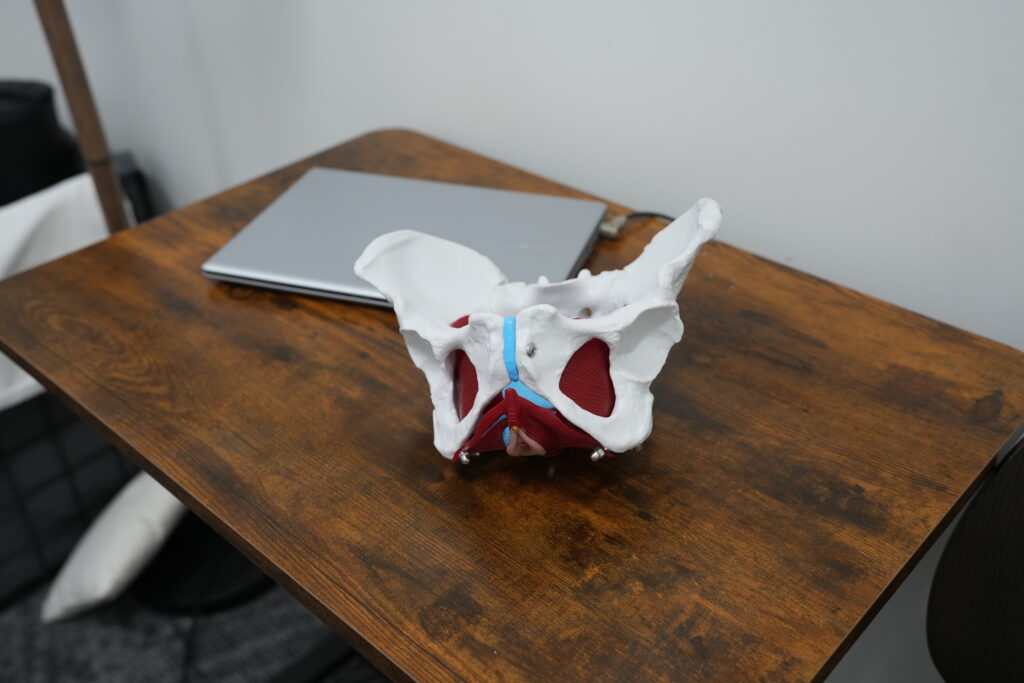
Pelvic floor physiotherapy is a specialized area of physiotherapy that focuses on the muscles, ligaments, and connective tissue that support your bladder, bowel, and pelvic organs. It’s effective for both men and women, and physiotherapists who practice it are registered with the College of Health and Care Professionals of BC (CHCPBC) and have completed additional training in pelvic health beyond their general physiotherapy license.
Who Can Benefit From Pelvic Floor Physiotherapy?
Pelvic floor physiotherapy can help with:
- Urinary incontinence and bowel symptoms
- Pelvic organ prolapse
- Pelvic pain, tailbone pain (coccygodynia), and painful intercourse (dyspareunia)
- Pre- and postpartum recovery
- Reduced pelvic floor muscle control or coordination
If any of these sound familiar, it’s worth having a conversation with a pelvic floor physiotherapist, even if your symptoms feel mild or manageable right now.
What to Expect at Your First Appointment

Your first visit starts with a conversation, not an exam. Your physiotherapist will ask about your symptoms, medical history, and goals, along with details like your bladder and bowel habits, so they understand the full picture before recommending anything.
From there, they’ll complete an external assessment, looking at your posture, movement, and muscle function around your lower back, hips, and abdomen. Depending on your goals, your physiotherapist may also discuss an internal assessment (vaginal and/or rectal), which is considered the most accurate way to evaluate pelvic floor strength, coordination, and tension. This step is never mandatory. It’s explained in full beforehand, requires your consent, and you can pause or stop at any point, for any reason.
Based on what your physiotherapist finds, you’ll leave with a personalized plan, which may include manual therapy, targeted exercises, breathing and posture strategies, and education you can apply at home between visits.
Finding the Right Pelvic Floor Physiotherapist Near You
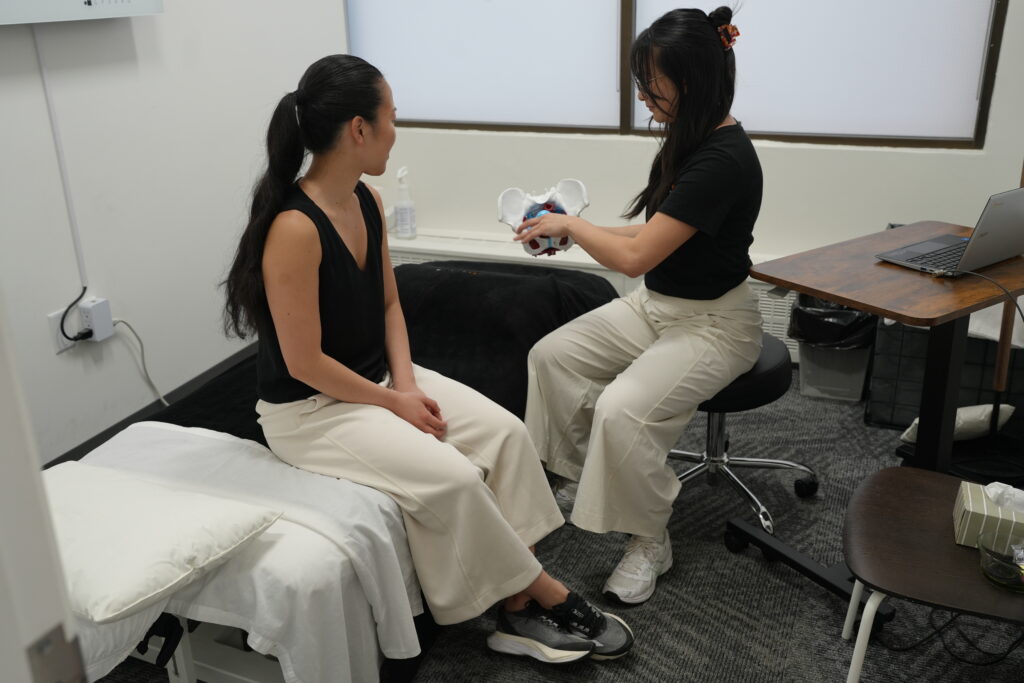
Since this is sensitive, personal care, the physiotherapist you choose matters as much as the treatment itself. Look for someone who:
- Has specific certification or post-graduate training in pelvic health
- Offers a private, comfortable space for your appointment
- Takes time to understand your goals before recommending an assessment
- Clearly explains each step and asks for your consent along the way
- Treats a broad range of pelvic floor concerns, not just one condition
A good pelvic floor physiotherapist should make you feel heard, not rushed.
Pelvic Floor Physiotherapy at painPRO Clinics
At painPRO Clinics, our physiotherapists help patients across Burnaby, Coquitlam, Surrey, North Surrey, Coal Harbour, and Vancouver manage incontinence, pelvic pain, prolapse, and pre- or postpartum recovery, with direct billing available to most extended health plans. Our team includes physiotherapists like Lan Tran and Ellen Wang, both of whom have completed Pelvic Floor Level 1 and Level 2 training and focus on supporting patients through pregnancy, postpartum recovery, incontinence, and pelvic pain.
Ready to talk to someone? Learn more about our pelvic floor physiotherapy services or find the painPRO location closest to you to book your first appointment.
